
Do You Need a Referral to See an Orthodontist in Manhattan Beach, CA?
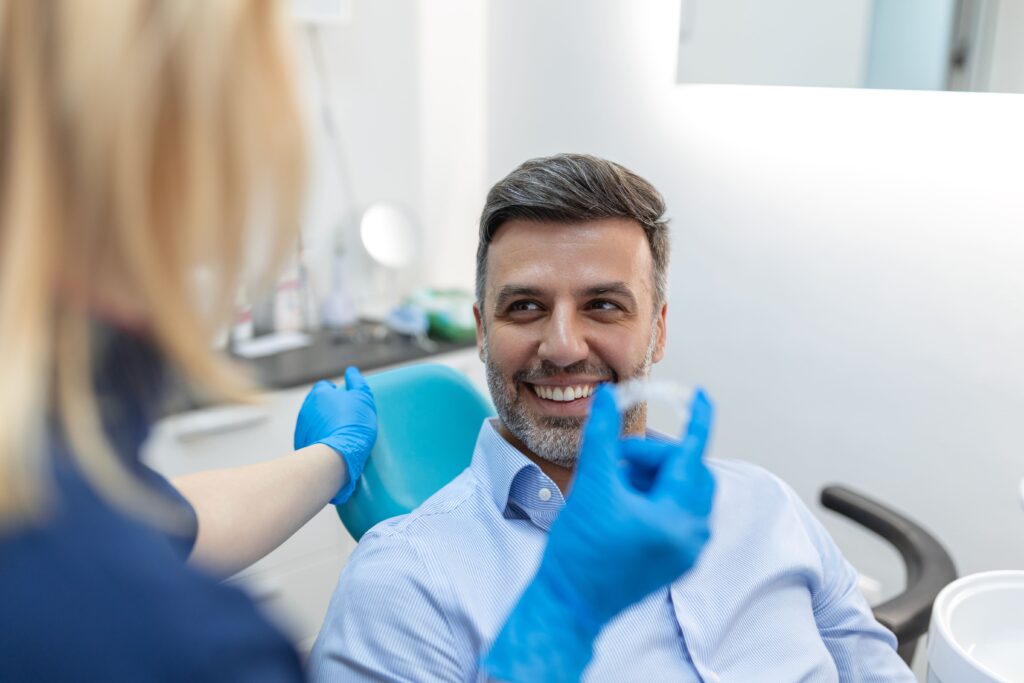
If you’ve been thinking about straightening your teeth or fixing your bite, you might be wondering whether you need a referral before seeing an orthodontist. A lot of people assume they have to go through a general dentist first, but that’s not actually how it works for most cases.
The short answer is no—you typically don’t need a referral to schedule an orthodontic consultation. You can usually reach out directly, book a visit, and get started when it works for you.
Let’s walk through how it actually works, when a referral might come up, and what you can expect when you decide to take that first step toward treatment.
Can You Go Straight to an Orthodontist?
Yes, you absolutely can. Orthodontists in Manhattan Beach are specialists who focus only on tooth alignment, bite correction, and jaw positioning. Because of that, they’re trained to evaluate your situation right away without needing approval from another provider.
If you’re dealing with crowding, spacing, an overbite, underbite, or just unhappy with how your smile looks, you can schedule a consultation directly.
Most people don’t realize how simple it is until they actually look into it. There’s no formal gatekeeping process—you just book the appointment.
When a Dentist Might Suggest It
Even though you don’t need a referral, your general dentist may still bring it up during routine visits. Dentists are usually the first to notice alignment issues because they see your teeth regularly during cleanings and exams.
If they spot something like shifting teeth or a bite imbalance, they may recommend seeing an orthodontic specialist for a closer look. That’s helpful guidance, but it’s not a requirement to move forward.
Insurance can sometimes add confusion here, but in most cases, orthodontic visits are still accessible without a referral. It’s always worth checking your plan, but it usually doesn’t block you from scheduling.
Why No Referral Is Needed
Orthodontists are already trained to diagnose and plan treatment from the first visit. They don’t need another provider to “clear” you before you come in.
At your consultation, they’ll typically do a full evaluation of your teeth and bite. That might include digital scans or X-rays, depending on your case. From there, they’ll explain what’s going on and what your options are.
Whether you end up needing braces, clear aligners, or just monitoring for now, everything starts with that first exam.
What Happens at Your First Visit?
A lot of people delay booking because they don’t know what to expect, but the first appointment is actually pretty straightforward.
You’ll talk about what brought you in—maybe crooked teeth, jaw discomfort, or just curiosity about improving your smile. Then the orthodontist will take a look and explain what they see in a simple, easy-to-understand way.
If treatment is recommended, you’ll get a breakdown of your options, timeline, and cost. If not, you may just be advised to check back later as things develop.
There’s no pressure to commit on the spot. It’s more about getting clarity.
Signs It Might Be Time to Book a Consultation
Even without a referral, most people decide to schedule when something starts bothering them about their smile or bite.
That might include teeth feeling crowded, gaps that are getting more noticeable, or difficulty biting evenly. Some people notice jaw clicking or mild discomfort when chewing. Others are simply unhappy with how their smile looks in photos.
Parents often bring in kids for early evaluations too, especially around age 7–10, just to make sure development is on track.
If you’ve been searching things like braces options for adults or how to fix crooked teeth without surgery, that’s usually your sign to at least get evaluated.
Adults Don’t Need Referrals Either
Orthodontic treatment isn’t just for teens anymore. A growing number of adults are choosing braces or clear aligners to improve their smile later in life.
And just like with younger patients, no referral is needed. Adults can schedule directly and explore options like Invisalign or other discreet aligner systems.
Treatment today is much more flexible than it used to be, which makes it easier to fit into work and daily life.
Why Waiting Isn’t Always Helpful
A common reason people hesitate is because they think they need permission or a referral first. But waiting doesn’t usually help alignment issues—it just delays getting answers.
In some cases, crowding or bite problems can slowly become more noticeable over time. Even if you’re not ready to start treatment, getting evaluated gives you a clearer picture of what’s happening.
Think of it more as information gathering than commitment.
Braces vs Clear Aligners
If treatment is recommended, you’ll usually hear about a couple of main options: traditional braces or clear aligners.
Braces are fixed appliances that stay on your teeth and are great for more complex movement. Clear aligners are removable trays that are often chosen for their discreet look and flexibility.
Both work well—the right choice depends on your specific bite and goals.
What If You’re Not Sure You Need Treatment?
That’s probably the most common situation. Many people book a consultation just to “check” and end up either starting treatment or being told everything looks fine for now.
Either outcome is useful. There’s no downside to getting a professional opinion.
Getting Started Is Easier Than You Think
A lot of people expect orthodontic care to be complicated, but it usually starts with one simple step: scheduling a visit.
There’s no referral process, no long approval chain, and no need to wait for anything else. You just reach out and get on the calendar.
From there, everything becomes much clearer.
Hom Orthodontics – Start Your Smile Journey Today
If you’ve been wondering whether you need a referral to see an orthodontist, the answer is simple—you don’t. You can go straight into a consultation and get answers about your smile without any extra steps.
At Hom Orthodontics, patients can explore treatment options like braces and clear aligners in a comfortable, straightforward setting. Whether you’re just curious or ready to start treatment, a consultation is the best way to understand your options.
If you’re thinking about improving your smile, now’s a great time to schedule a visit and see what’s possible.