
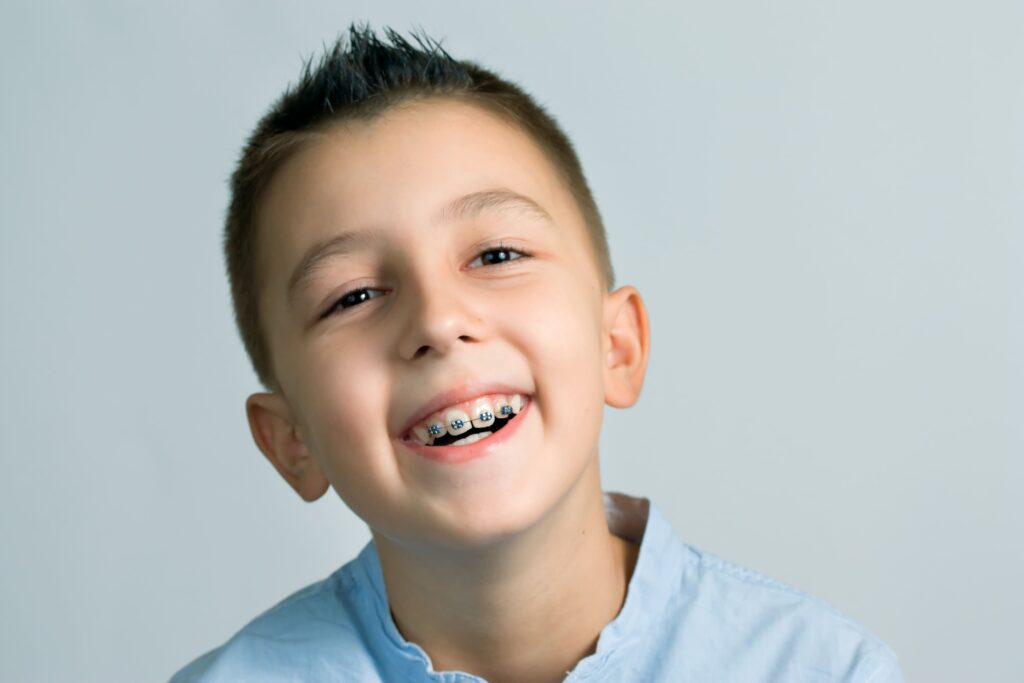
As a parent, it’s easy to assume orthodontic care is something to worry about later—usually when all the baby teeth are gone and braces seem inevitable. But the truth is, orthodontic evaluations often start much earlier than most people expect. So when should your child first see an orthodontist? The answer might surprise you.
Seeing an orthodontist early doesn’t necessarily mean your child will need braces right away. In many cases, it’s simply about monitoring growth, catching potential issues early, and setting your child up for the healthiest smile possible.
The Recommended Age Might Be Earlier Than You Think
The American Association of Orthodontists recommends that children have their first orthodontic evaluation by age 7. At this age, most kids have a mix of baby teeth and permanent teeth, which allows an orthodontist to spot developing problems that may not be obvious yet.
This doesn’t mean every 7-year-old needs treatment. In fact, many don’t. But an early visit gives the orthodontist a chance to evaluate jaw growth, tooth eruption patterns, and bite alignment while there’s still plenty of time to guide development.
Why Age 7 Is a Sweet Spot for Early Evaluation
By age 7, several important things are happening in your child’s mouth. Permanent front teeth are starting to come in, the jaws are still growing, and bite issues may already be forming beneath the surface. Even if your child’s teeth look mostly straight, there could be concerns that aren’t immediately visible.
An early orthodontic visit can help identify issues like crowding, crossbites, overbites, underbites, or problems with jaw growth. Catching these early can sometimes reduce the need for more complex treatment later—or make future treatment shorter and easier.
Signs Your Child May Need an Orthodontic Evaluation
While age 7 is a general guideline, some children may benefit from seeing an orthodontist even sooner. Parents often notice small clues that something isn’t quite right, even if they can’t put their finger on it.
Common signs include difficulty chewing or biting, mouth breathing, thumb sucking that continues past early childhood, early or late loss of baby teeth, or jaws that shift or make sounds when opening and closing. Crowded, misplaced, or protruding teeth can also be early indicators that it’s time for an orthodontic checkup.
If you’re ever unsure, it’s better to schedule an evaluation and get peace of mind than to wait and risk missing an opportunity for early intervention.
What Happens During a First Orthodontic Visit?
A first orthodontic appointment is usually simple, low-pressure, and informative. During the visit, the orthodontist will examine your child’s teeth, jaws, and bite. X-rays or digital scans may be taken to see how permanent teeth are developing below the surface.
After the evaluation, the orthodontist will explain whether treatment is needed now, later, or possibly not at all. If no treatment is recommended at the moment, your child may be placed on a monitoring schedule so growth can be tracked over time.
Parents often appreciate that these early visits are more about planning than committing. You leave with a clearer understanding of what to expect as your child grows.
Early Treatment vs. Later Treatment: What’s the Difference?
Early orthodontic treatment, sometimes called Phase 1 treatment, focuses on guiding jaw growth and creating space for permanent teeth. This type of treatment can help correct issues that are easier to address while a child is still growing.
Later treatment, typically during the teen years, often involves braces or aligners to straighten teeth once most permanent teeth have erupted. Not every child needs early treatment, but for those who do, it can make later treatment simpler and more effective.
The key is that early evaluation gives families options. Without it, some problems may only be addressed once they’ve become more complex.
What If My Child Doesn’t Need Braces Yet?
This is actually very common. Many children who see an orthodontist at age 7 don’t start treatment for several years. Instead, they’re monitored periodically to make sure everything is developing properly.
Think of it as preventative care rather than immediate action. These check-ins allow the orthodontist to step in at the ideal time—neither too early nor too late.
Orthodontic Care Is About More Than Straight Teeth
Orthodontic treatment isn’t just cosmetic. Proper alignment can improve chewing, speech, oral hygiene, and overall comfort. Teeth that are well-aligned are easier to clean, which can reduce the risk of cavities and gum issues over time.
For children, orthodontic care can also support healthy jaw development and help avoid strain on the jaw joints. Addressing these concerns early can contribute to better long-term oral health and confidence.
Choosing the Right Orthodontist Matters
When it comes to your child’s smile, experience and approach matter. Working with a Manhattan Beach orthodontist who understands growth and development—and who takes the time to explain options clearly—can make the entire process less stressful for both parents and kids.
A welcoming environment and a focus on individualized care go a long way in helping children feel comfortable and confident about orthodontic visits.
Start Your Child’s Smile Journey With Hom Orthodontics
If you’re wondering whether it’s time for your child’s first orthodontic visit, Hom Orthodontics in Manhattan Beach, CA is here to help. Led by Dr. Barney Hom, the team takes a thoughtful, personalized approach to orthodontic care—focusing on timing, comfort, and long-term results.
Whether your child is ready for treatment now or simply needs an early evaluation, Hom Orthodontics will guide you every step of the way. Schedule a consultation today and take the first step toward a healthy, confident smile with a team you can trust.